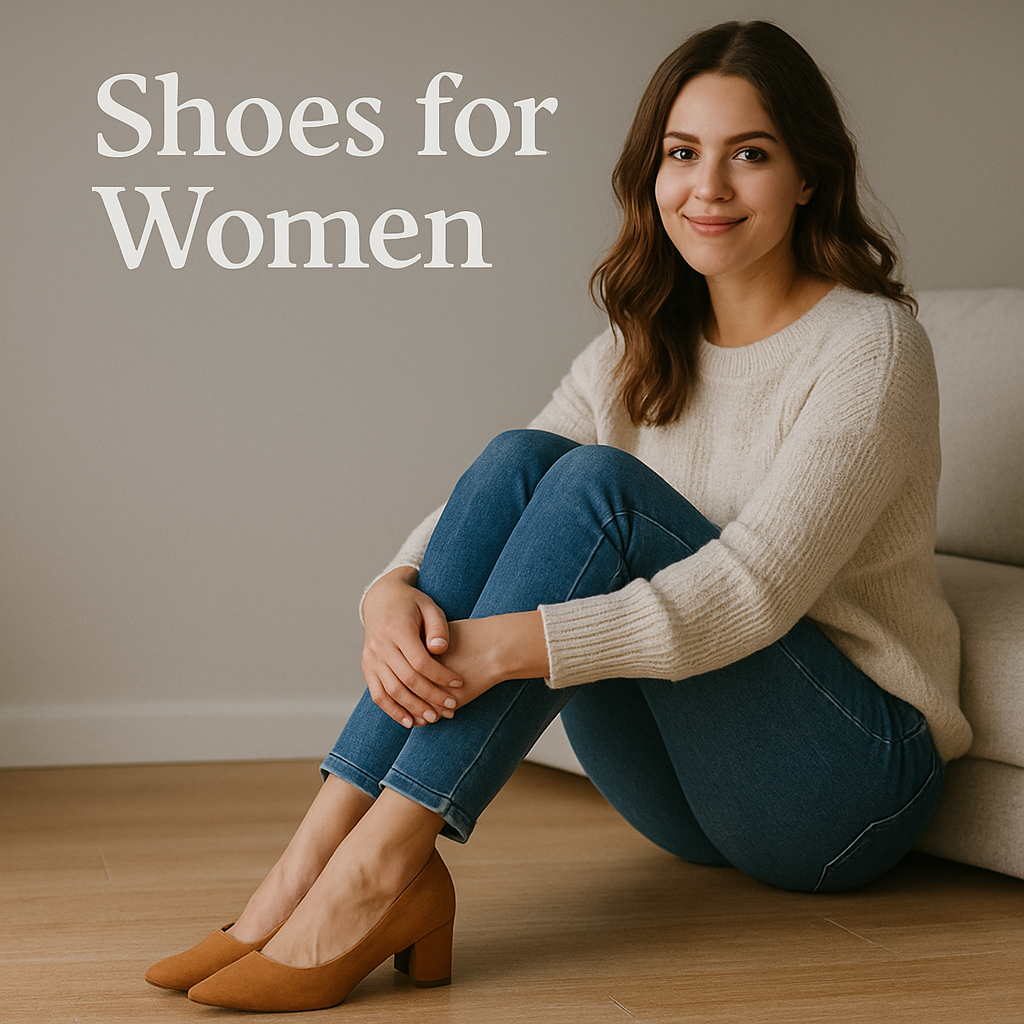
More than just a basic need, footwear is a sign of individual comfort, a distinguishing component of personal style, and a cultural statement. The selection of women’s shoes is extensive and constantly changing. Women’s footwear has evolved from high heels and ballet flats to sneakers and boots, becoming an essential component of everyday style and practicality. The modern woman must have footwear that supports every step she takes, both literally and symbolically, as she juggles her job, fitness, leisure, and social life.
The world of women’s shoes exhibits a distinctive fusion of style and utility. Although aesthetics are vital, comfort and usefulness are equally crucial. Shoes can enhance an ensemble, help with posture, and even boost self-esteem. There is the ideal pair of shoes for every situation, whether you’re going to a boardroom, a weekend brunch, the gym, or a red carpet event. Shoes are now a vital and very personal component of every woman’s outfit due to their variety in style and function.
The heel is among the most traditional and timeless styles of women’s shoes. High-heeled shoes, such as block heels, kitten heels, and stilettos, provide sophistication, height, and style. They are frequently the preferred choice for formal events and work environments. Although heels have historically been linked to glitz, many contemporary designers now prioritize comfort-enhancing elements like ergonomic arch support and padded insoles to make sure that fashion doesn’t come at the price of foot health.
The appeal of apartments is very different. For women who are always on the go, ballet flats, loafers, and slip-ons offer unparalleled convenience and subtle charm. They are perfect for both informal get-togethers and professional settings where mobility is essential. Lightweight and adaptable, flats are made of leather, canvas, suede, and synthetic materials. To add a personal touch, they are sometimes adorned with ribbons, buckles, or patterns.
Women’s sneakers have evolved from the gym floor to become a mainstay of daily wear in recent years. The combination of comfort and style is embodied by these shoes. Sneakers are no longer just for working out; they are increasingly used with dresses, suits, and even formal attire, indicating a change in fashion standards. From hefty “dad sneakers” to minimalist white trainers and eco-friendly footwear constructed from recycled materials, brands have responded with creative designs.
Boots are another crucial category, with many varieties to suit various seasons and fashion tastes. Ankle boots go well with dresses, skirts, and jeans and are ideal for transitional weather. Conversely, bright and stylish, knee-high and thigh-high boots frequently make a statement throughout the fall and winter. Boots provide stability, warmth, and a refined appearance, regardless of their material—leather, suede, or synthetic substitutes.
Sandals, which combine breathability and style, are still a popular in warm weather. This footwear category prioritizes comfort and style, with options ranging from heeled sandals and espadrilles to minimalist slides and gladiators. Sandals are particularly well-liked for beach wear, vacation, and informal summertime activities. In order to appeal to health-conscious customers, several more recent designs also place a high priority on orthopaedic footbeds and arch support.
Demand for fashionable shoes with orthopaedic advantages has surged as a result of growing awareness of foot health. For many women, arch support, heel cushioning, breathable materials, and shock absorption are now essentials. In response, shoe companies have partnered with podiatrists and biomechanics specialists to develop collections that address common issues like flat feet, bunions, and plantar fasciitis without sacrificing style.
The footwear sector has also adopted sustainable fashion. Consumers who care about the environment are increasingly choosing shoes made of biodegradable materials, plant-based leathers, and recycled plastics. Companies are becoming more open about their labor policies, supplier networks, and carbon footprints. Many women believe that buying eco-friendly shoes is a moral decision that will contribute to a more ethical and sustainable future, in addition to being a fashion statement.
The experience of purchasing shoes for women has been further changed by internet shopping. Access to thousands of styles, sizes, and brands is made possible by e-commerce platforms, which also frequently offer fit guidelines, 360-degree product views, and user reviews. Finding the ideal pair from the comfort of your home is now simpler than ever thanks to virtual try-on features and tailored suggestions. Policies that allow for free returns and exchanges also lessen the risk of making products online.
Even with the rise of online buying, in-store shoe shopping continues to provide certain benefits. It can be quite important to be able to physically put on shoes, feel materials, and evaluate the fit in real time, particularly for custom-fitted products or formal shoes. Additionally, shoe experts at physical stores provide tailored guidance that computers are unable to duplicate.
Women’s footwear is still influenced by fashion trends. Fashion runways and social media feeds are dominated by current trends including color-block sneakers, lug-sole boots, platform shoes, and pointed-toe heels. Fashion icons, influencers, and celebrities frequently create demand for particular styles, making shoes instantly go viral. However, timeless pieces like white sneakers, black boots, and nude pumps continue to be wardrobe essentials that endure through fashion cycles.
Additionally, shoes have a strong connection to tradition and cultural identity. Women’s shoes convey tales of artistry, heritage, and local pride, from traditional Indian juttis and Japanese geta to Middle Eastern slippers and African beaded sandals. Many women adopt a hybrid style in today’s globalized society, fusing classic and contemporary aspects to produce distinctive fashion statements.
Many women consider occasion, comfort, brand reputation, and budget when making shoe purchases. Trend-driven fashions are accessible through budget outlets, while luxury and workmanship are offered by premium labels. The secret is striking a balance between price and quality, particularly for shoes that will be worn frequently. Another crucial element is maintenance; a cherished pair’s lifespan can be considerably increased with the right cleaning, repair, and storage.
In the end, women’s shoes are about more than just practicality. They are sources of solace, tools for empowerment, and means of self-expression. The correct pair may finish an ensemble, improve posture, and increase confidence. Women’s footwear will surely keep up with the ongoing evolution of fashion, technology, and social conscience, providing even greater variety, customisation, and innovation in the years to come.
Shoes are the last nail in a fashion statement in a world where individual style screams loud and clear. The ideal shoes guarantee that every step is taken with purpose, confidence, and elegance, whether you’re dancing at a wedding, walking a picturesque trail, or pacing a business hallway.