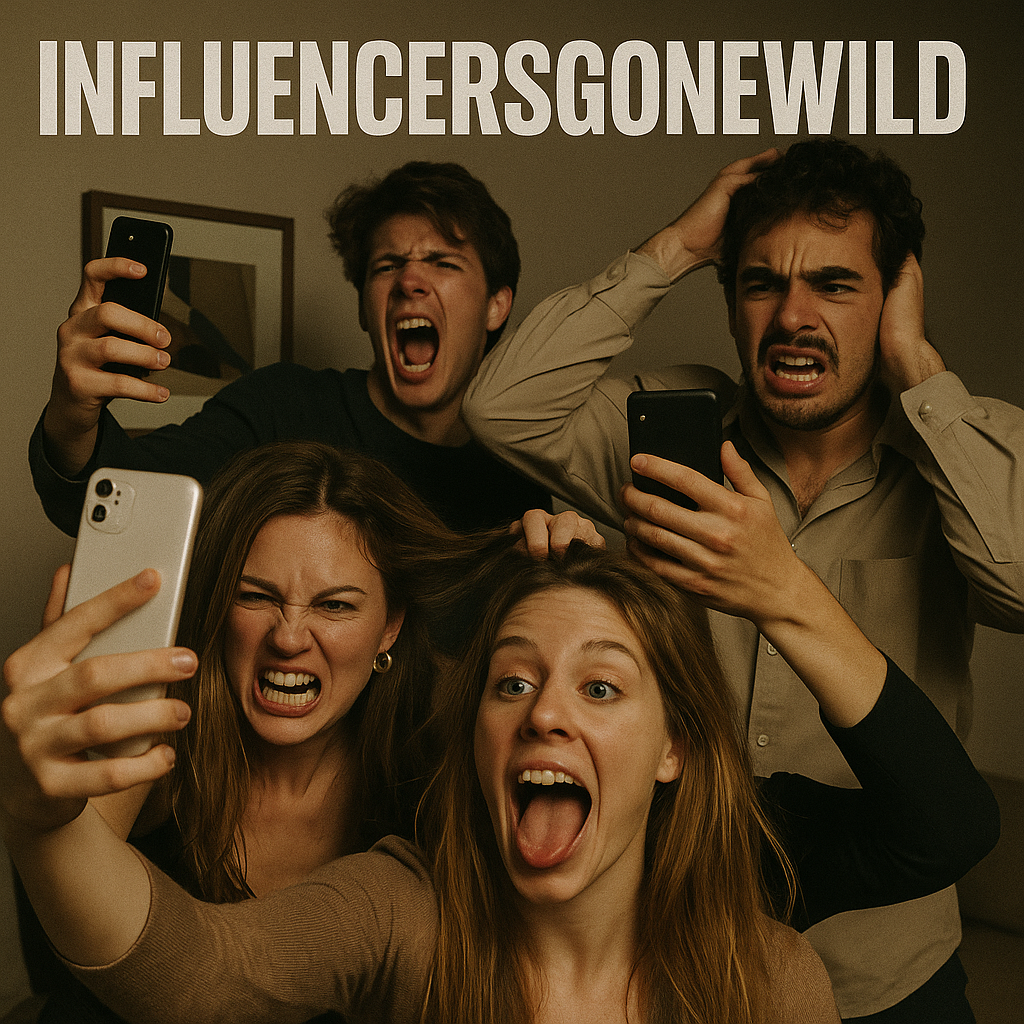
Social media is a dynamic environment where trends change quickly. But few occurrences have drawn as much attention online as “InfluencersGoneWild.” A wider change in the way attention is gained and sustained in the digital age is reflected in this viral trend, which is characterized by influencers sharing fearless, audacious, or downright ridiculous content to engage viewers. It is a reflection on the economics of visibility, shock value, and the culture of virality rather than just a hashtag or meme.
“InfluencersGoneWild” isn’t constrained to any certain platform or kind of influencer. TikTok, Instagram, YouTube, Twitter (X), and even newer networks like Threads are all included. In order to increase engagement, acquire followers, or start viral debates, influencers are fundamentally pushing boundaries through their fashion choices, open confessions, daring actions, or divisive viewpoints. Although many have found success with this approach, it has also come under fire for encouraging a content culture that prioritizes spectacle above content.
“InfluencersGoneWild” gained popularity as a result of the fierce fight for attention in the crowded digital market. Standing distinctive is both necessary and difficult in a world when millions of content creators are competing for likes, shares, and views. Most social media platforms’ algorithms favor material that generates a lot of interaction, and posts that are daring or sensational have a higher chance of going viral. Edgier content becomes more visible as a result, creating a feedback cycle that encourages others to do the same.
The monetization of attention is a major factor driving this trend. Influencers are aware that more engagement frequently results in higher profits, particularly those who depend on brand relationships or direct monetization mechanisms like YouTube AdSense or TikTok’s Creator Fund. Taking part in daring trends under the “InfluencersGoneWild” label might be a quick route to exposure for micro-influencers attempting to make inroads into wider circles. The rewards—exposure, virality, and possible sponsorships—are as great as the risk.
But not everything that falls under the “InfluencersGoneWild” category is overtly extreme or blatant. Many see it as a way to rebel against manicured perfection or as a form of creative expression. Raw, unfiltered content is becoming more popular among influencers who formerly shared highly polished, filtered stuff. This includes vlogs of untidy days, candid discussions about mental health, unusual clothes, or impromptu challenges. By prioritizing authenticity above Instagram perfection, the trend can also be seen as a protest against inauthenticity.
However, there is an element of risk that cannot be denied. Some influencers overstep their bounds and go into obnoxious or dangerous areas. Brand disassociation, platform restrictions, and public outrage are all very real outcomes. In the era of digital receipts, the line between being bold and inappropriate is frequently blurred, and one viral error can destroy an influencer’s career. Therefore, “going wild” entails long-term reputational stakes even though it could garner attention in the near term.
It’s interesting to note that a large number of influencers following this trend are calculated rather than rash. They carefully consider their scheduling, hashtags, partnerships, and target audience while arranging their content to look impromptu. For instance, the debut of a podcast or personal brand may coincide with an abrupt, “candid” confession. Others produce shock content just prior to significant product launches, guaranteeing a surge in traffic at the most critical moment. In these situations, “InfluencersGoneWild” becomes more about marketing drama than it does about careless behavior.
An important factor in the spread of this trend is the audience. Extremists are rewarded by viewers, who are more inclined to respond, share, or remark on content that is shocking, sensational, or emotionally charged. As a result, a digital economy is created where relevance is determined by reactions. The likelihood of content being shared increases with its outrageousness. As a result, there is now a content escalation battle going on, with influencers constantly raising the ante to keep their followers interested.
However, there is also a psychological aspect to take into account. Influencers may continually pursue viral moments due to the addictive dopamine boosts that come from likes and shares. Some people have identity issues or creative burnout as a result of their ongoing pressure to surpass their earlier posts. An influencer may experience stress and emotional dissonance if the need to maintain a “wild” online persona conflicts with their private life or personal values.
Additionally, the “InfluencersGoneWild” trend has sparked crucial discussions about online conduct, platform accountability, and digital ethics. Should platforms take more active measures to censor such content? Should companies think about forming long-term alliances with influencers who gain notoriety through controversy? Should viewers be more selective about what they choose to support and consume? The complexity of contemporary digital culture, where free speech, capitalism, and social norms converge, is reflected in these queries.
Using satire or self-aware content to critique the ridiculousness of online clout-chasing, some influencers have attempted to dismantle the habit from within. As a counter-narrative to the trend, parody videos, mock confessionals, and “meta” content have surfaced, demonstrating that certain producers are acutely conscious of the ecosystem they are a part of. Audiences that value authenticity but are leery of over-the-top dramatics frequently connect with this kind of content.
The trend’s internationalization is another intriguing aspect. “InfluencersGoneWild” may have originated in Western markets, but it has now spread to places like Brazil, the Philippines, India, and Eastern Europe. Influencers in these regions are incorporating humor, local culture, and social taboos into their content to produce locally relevant, distinctively interesting, and culturally nuanced versions of the trend.
Within this movement, it’s critical to distinguish between exploitation and empowerment. Being outspoken online is a way for some influencers, particularly women and members of underrepresented groups, to regain their agency and space. However, the trend turns exploitative when it is appropriated for viewpoints that disregard long-term effects or personal safety. The audience needs to be able to tell the difference between performative wildness motivated solely by stats and brazen honesty.
To sum up, “InfluencersGoneWild” is a complex online phenomenon that reveals a lot about the state of the internet today. It emphasizes how people are implicated in determining what becomes viral, how attention has turned into a currency, and how the bounds of content are changing. The trend reflects deeper realities about the influencer economy and digital behavior in 2024 and beyond, regardless of whether it is seen as a daring display of uniqueness or a worrying sign of an attention-hungry culture.